
What if Doing Less Builds More?
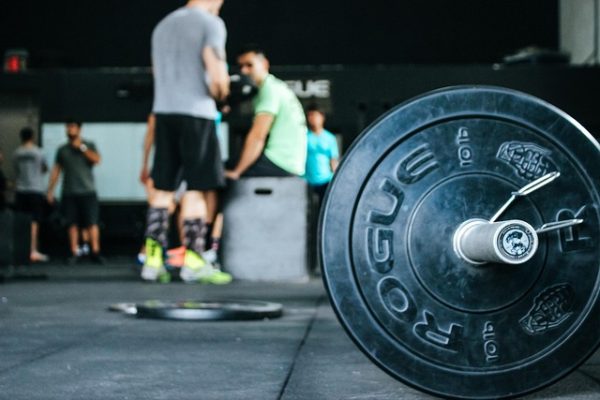
In training, gym and exercise culture, there’s an idea that if you’re not working hard, you’re not really working.
It shapes what we might count as a “workout”, what feels “worth doing”, and what gets dropped first when we get busy. Gentle movement is usually the first thing to go.
But the body doesn’t adapt during that hard workout, it adapts in recovery from it.
The hard workout creates the stimulus, and everything that happens afterwards (that’s the tissue repair, cardiovascular adaptation, the nervous system resetting its baseline) happens in the space between workouts. And what you do in that space is important.
Gentle movement keeps that recovery process moving rather than stalling it. Low-intensity circulation work helps clear the metabolic byproducts of harder training, joint range is maintained without adding more load to already-taxed tissue, and movement at a lower intensity keeps the body engaged without tipping back into a stress state. It’s a different tool doing a different job.
Gentle doesn’t mean passive. A slow walk on uneven ground, controlled mobility work, or a low-intensity swim all still load the body and require coordination, but the demand sits well within a threshold that encourages recovery.
The research on training intensity distribution points consistently in the same direction: athletes and active people who train across a wide range of intensities, rather than just high intensity, hard core workouts all the time, tend to develop more robust and adaptable bodies over time.
The high-intensity work is important, but so is the base it sits on, and if your training only ever runs at that top end, you’re only building strength in one gear.
Resilience, the kind that holds up across a full life rather than just a good training block, needs more range than that.


