
RICE is finally retired
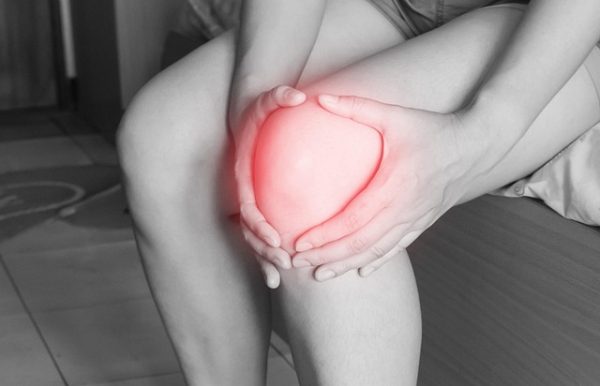
Most of us grew up with RICE, rest, ice, compression, elevation, as the first response to any sprain or strain. It made sense at the time, and it’s easy to remember mid-injury.
But the research behind it was weaker than most people realise, and in 2019 two researchers proposed something that’s now become the accepted standard, PEACE and LOVE.
PEACE covers the first one to three days after an injury.
Protect the area by avoiding movements that cause sharp pain, but avoid strict rest, as prolonged immobilisation actually slows tissue healing rather than protecting it.
Elevate if you can, the evidence for this one is weaker than we used to think but the risk is low so it’s still worth doing.
Avoid anti-inflammatories where possible in this early window, since some inflammation contributes to tissue healing.
Compress to manage swelling, and educate yourself on what’s actually happening, because understanding the injury changes how you respond to it.
Then LOVE takes over for the following days and weeks.
Load the tissue again as soon as pain allows, using discomfort as a guide rather than avoiding it altogether.
Stay optimistic, as your mindset affects recovery outcomes.
Support vascularity through light aerobic activity to bring blood flow to the area.
And exercise, restoring mobility, strength and control through progressive movement rather than waiting until it feels perfect.
The thread running through all of this is that tissue heals through appropriate loading, not through avoidance.
Rest has its place in the first few days, but the moment we extend it past that, we’re slowing the exact process we’re trying to speed up. If you’ve been sitting on an old niggle waiting for it to fully rest itself better, this might be why it hasn’t.


