
The Movements You Slowly Lose
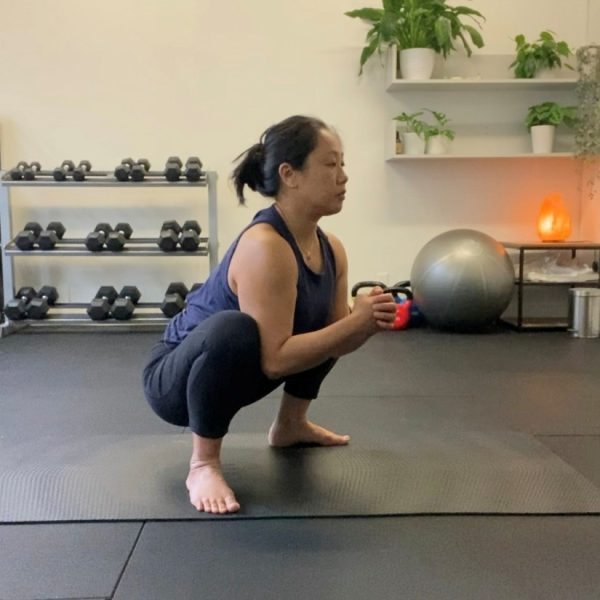
For most of us, we don’t suddenly lose movement. It fades. Gradually. Quietly.
We don’t wake up one day unable to squat, twist, reach, or get up off the floor. It starts when we do those things a little less often. Then less again. Over time, the body adapts to what we don’t ask it to do.
The most common movements I see slowly disappear are:
- Full squatting
- Rotating through the spine
- Reaching overhead without the lower back helping out
- Getting down to the floor and back up without thinking
- Moving sideways or diagonally
And it’s not because these are “bad” movements.
It’s because we don’t really need them in our normal day-to-day life.
Chairs replace squats. Screens reduce rotation. Cars replace walking. Exercise becomes something we “fit in,” rather than movement being spread through the day.
The body is efficient. It keeps what we use and lets go of what we don’t.
When a movement isn’t practised, the nervous system stops prioritising it. Strength reduces, coordination drops and movement feels less accessible.
Then one day, we notice:
- stiffness getting out of the car
- it’s hard to get up off the floor
- tight hips or a cranky back after sitting
- movements that feel awkward rather than natural
This isn’t about ‘getting old’. It’s feedback.
The answer isn’t forcing stretches or doing more reps of the same exercises. It’s reintroducing lost movement options in a safe way.
That means:
- moving slowly enough for your brain to pay attention
- building strength through the whole movement
- reminding your system that you still can move this way
Movement doesn’t disappear because you’re getting older.
It disappears because it’s no longer part of your normal day.
The good news is what fades slowly can usually come back the same way.
If you’re noticing movement feels smaller or less confident than it used to, that’s exactly the work I focus on with clients. You don’t need to overhaul your life. You just need to give your body better options.
If you want help with that, get in touch.


