
Our Bodies Were Built For More
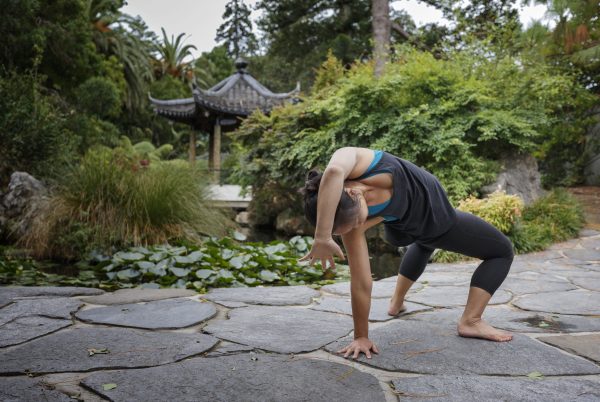
Rotation is usually the first movement to go.
Not because it’s unsafe, or unnecessary. But because modern life hardly asks for it.
Most of our days happen in straight lines. We walk forward. Sit facing forward. Drive facing forward. Train with exercises that move up and down, or forward and back.
Over time, we get good at those patterns. And not so much with twisting and rotation.
The spine is designed to rotate. Not aggressively, or endlessly but gently, often, and in combination with hips, ribs, shoulders, and breath. When that stops happening, rotation doesn’t disappear dramatically. It just starts to feel limited.
You might notice:
- stiffness when turning to look behind you
- how it “grabs” in the low back when you twist
- hips that don’t seem to help with rotation anymore
- rotation showing up only at the spine, not spread through the body
When rotation isn’t shared across the body, one area ends up doing too much. Often that’s the lower back or neck. The problem isn’t the rotation itself but how and where it’s happening.
Avoiding rotation doesn’t protect you. It takes away your body’s ability to distribute force.
That’s why people can feel strong, fit, and still stiff. They train hard and move often. But everything lives and moves in straight lines.
Reintroducing rotation isn’t about cranking into twists or forcing range. Think instead about:
- slowing things down
- letting hips, ribs, and shoulders contribute
- giving your nervous system time to trust the movement again
When rotation comes back online, people often report less back tension, easier walking, better balance, and a sense that movement feels more fluid again.
Rotation doesn’t disappear because you’re fragile. It disappears because it’s no longer part of daily life.
And like most things the body lets go of, it responds well when reminded.
If rotation feels limited or uncomfortable for you, that’s a sign worth paying attention to.


